Laser Technology

Laser Technology

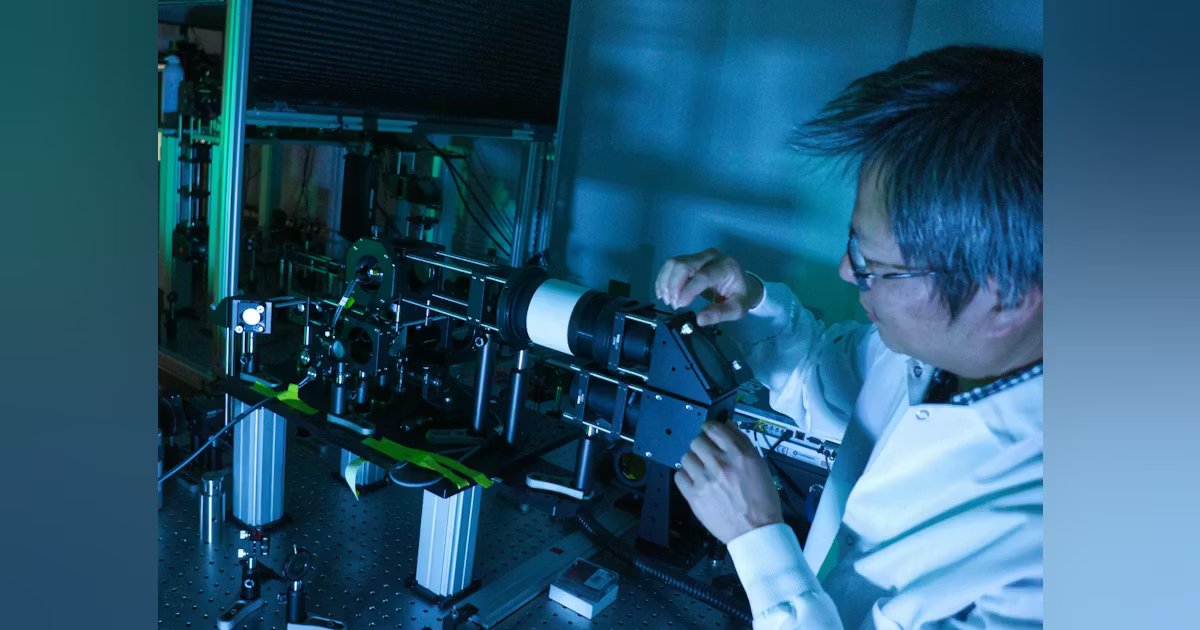
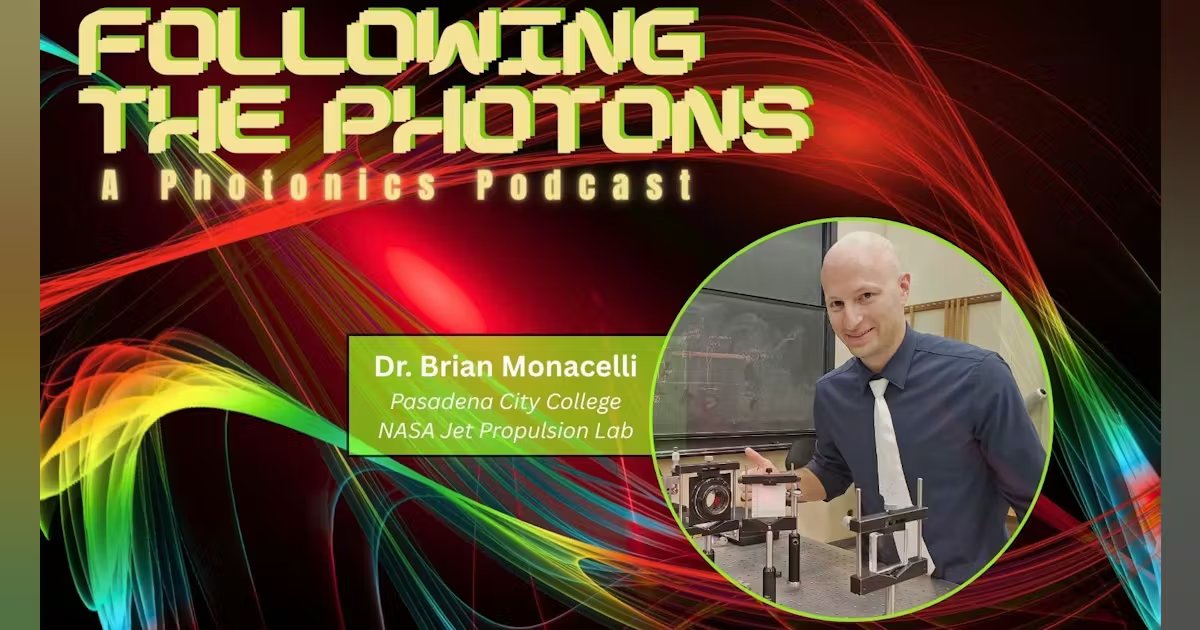
PODCAST: Interview with Brian Monacelli, Pasadena City College and NASA Jet Propulsion Laboratory

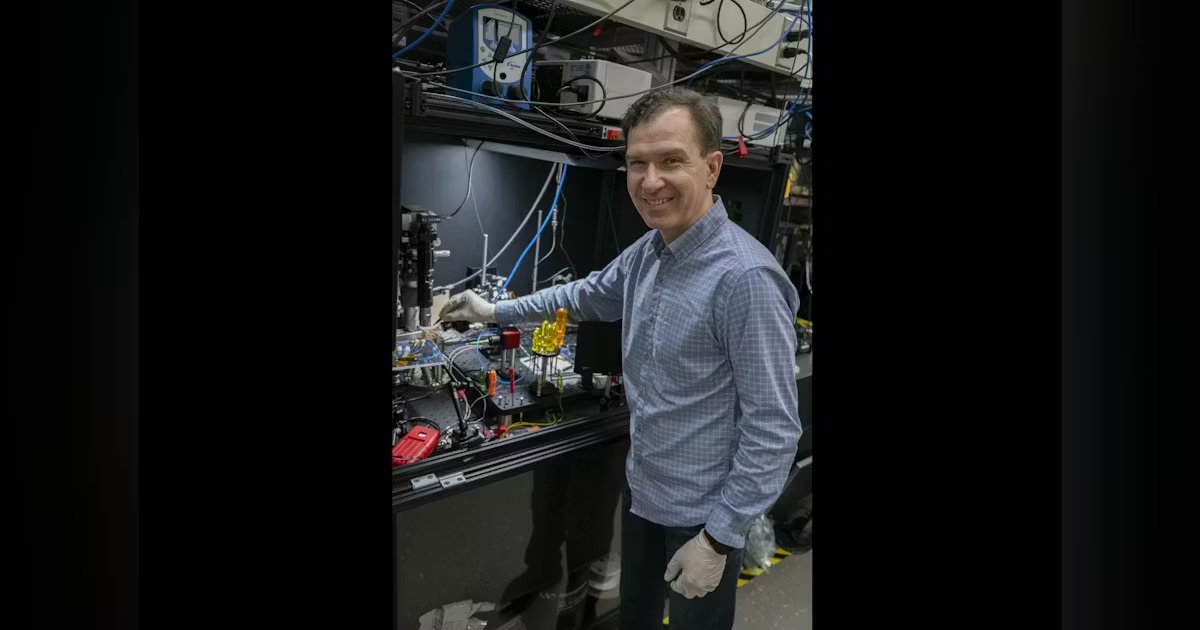
This edition features Host Justine Murphy’s chat with Dr. Brian Monacelli, a professor and director of Laser Technology at Pasadena City College in California. He’s also a principal optical engineer and supervisor of the Optical Implementation group at NASA’s Jet Propulsion Laboratory. They recently discussed things like the importance of training technicians in hands-on laboratory

PODCAST: Interview with Brian Monacelli, Pasadena City College and NASA Jet Propulsion Laboratory Read More »

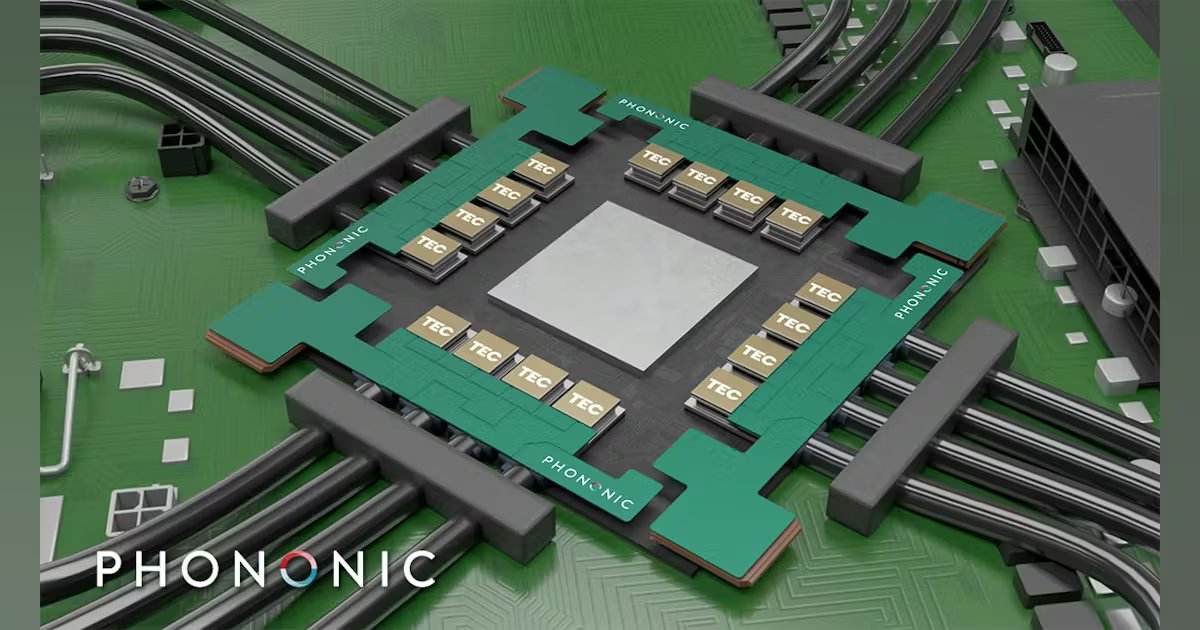
Cooling is critical for copackaged optics

The digital world is accelerating at a pace that seemed implausible just a few years ago. Artificial intelligence (AI) models are doubling in size, which is causing data center traffic to explode and the infrastructure that powers our connected lives to strain under this unprecedented demand. Behind every AI breakthrough, real‑time analytics engine, and cloud‑scale

Cooling is critical for copackaged optics Read More »

Biohybrid image sensor array processes light like retinas

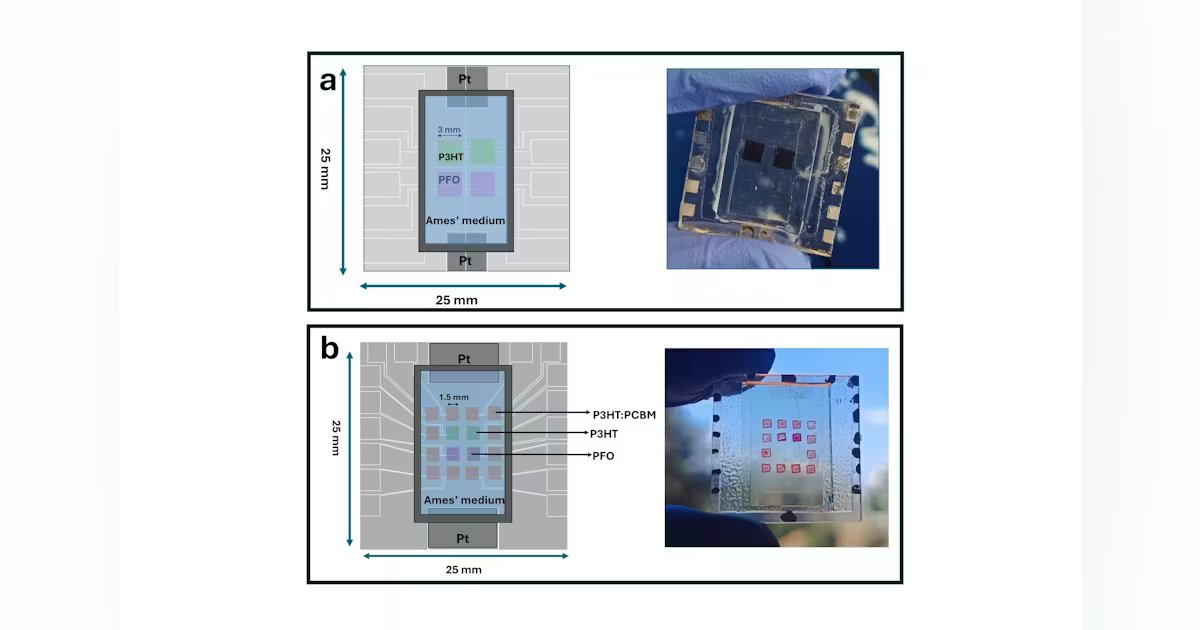
A retina-inspired biohybrid image sensor array (BIOPIX) created by a team of researchers led by Thomas M. Brown, a professor of organic and biological electronic engineering at Tor Vergata University of Rome in Italy, responds to light in a way remarkably similar to the photoreceptor cells of a retina—in terms of speed and how it

Biohybrid image sensor array processes light like retinas Read More »

PODCAST: April 14, 2026 Light News

In this edition of Following the Photons’ Light News: Researchers in Hong Kong developed a metasurface-based optical learning machine that boosts optical neural network scalability.   Existing fiber-optic cables underground and under the sea in much of Europe could soon become more than just lines of communication. Thanks to a new initiative, they could someday double

PODCAST: April 14, 2026 Light News Read More »

Disordered ‘mosaic’ metasurface enables multiple simultaneous optical functions

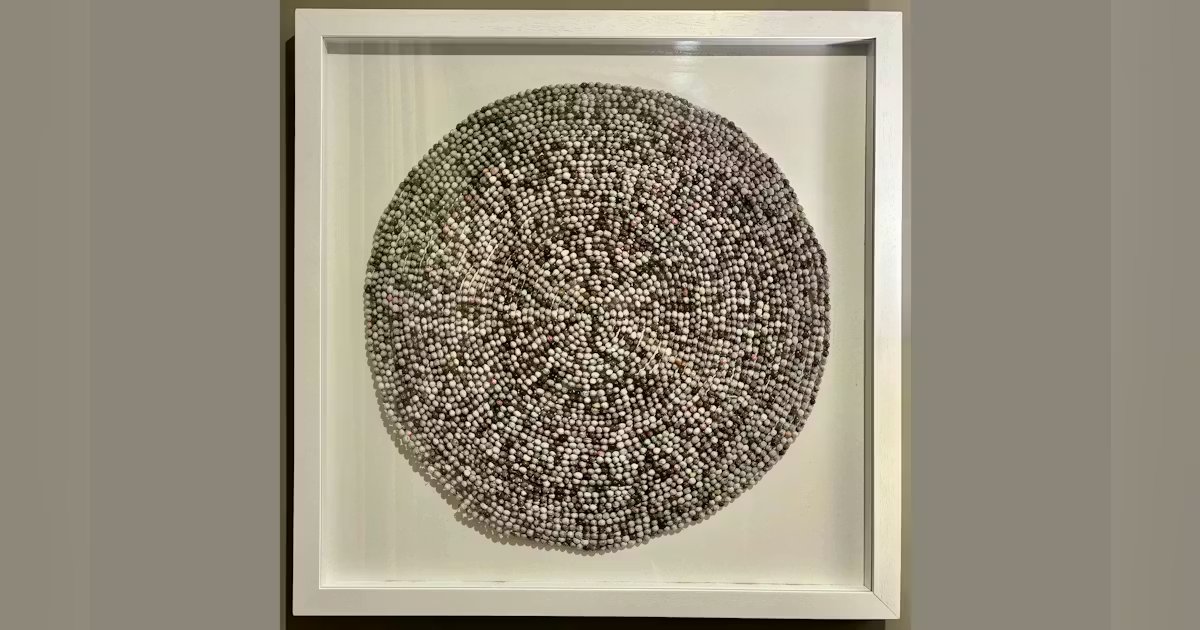
In an intriguing advance for metasurfaces, researchers at Monash University’s School of Physics and Astronomy in Australia came up with a disordered mosaic design approach—nanostructured materials that perform multiple simultaneous optical functions within a single device. The idea of a mosaic-style design for metasurfaces came to Haoran Ren, an Australian Research Council Discovery Early Career

Disordered ‘mosaic’ metasurface enables multiple simultaneous optical functions Read More »

NIST scientists create PIC packaging that survives extreme temperatures

A multidisciplinary group of scientists led by Nikolai N. Klimov, Ph.D., principal investigator and project leader of the U.S. National Institute of Standards and Technology’s (NIST) Photonic Thermometry Program, created a new approach to couple optical fibers to a photonic integrated circuit (PIC) across an extraordinarily wide temperature range—from deep cryogenic conditions to very high

NIST scientists create PIC packaging that survives extreme temperatures Read More »

‘Multiplier effect’ solves throughput bottleneck in laser scanning and adaptive optics

For laser scanning and adaptive optics, there are often tradeoffs in terms of speed, range, and beam size. Pick two, because you can’t have all three due to the inertia limits of high-speed laser scan mirrors, deformable mirrors, and other components. Whether you are a neuroscientist trying to map thousands of neurons firing across the

‘Multiplier effect’ solves throughput bottleneck in laser scanning and adaptive optics Read More »

Nanometer precision at scale: Active-alignment fiber arrays unlock next-gen photonics

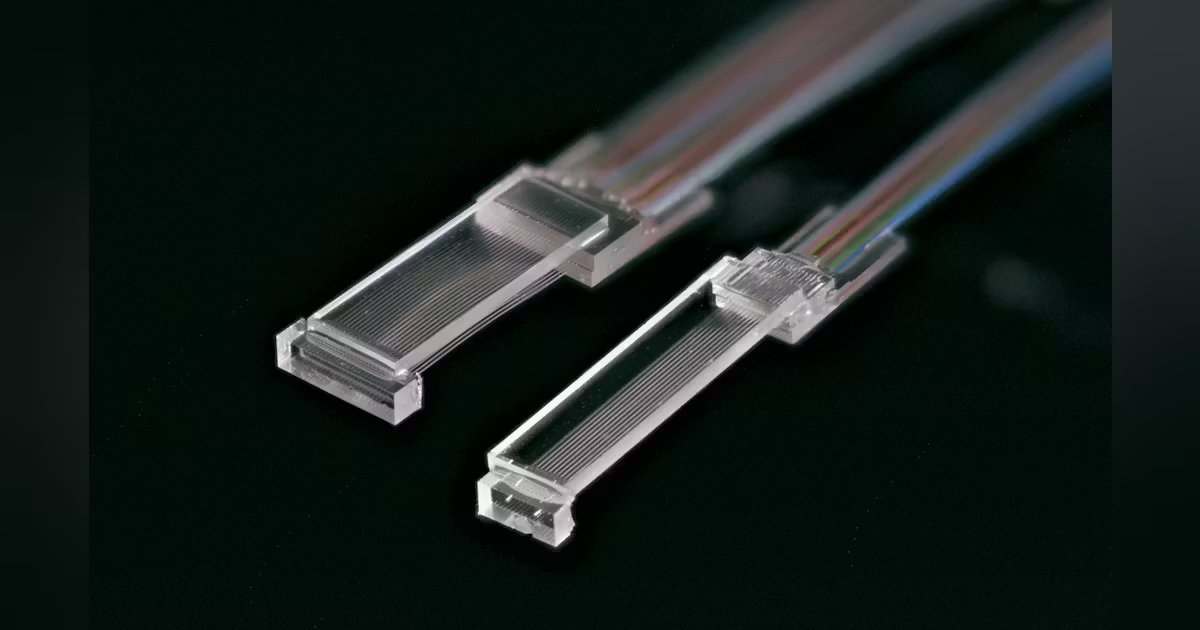
Moving beyond passive alignment MicroAlign developed a micromanipulation platform to actively align individual fibers with nanometer-level precision. Traditional fiber arrays rely on passive placement into precision V-grooves, where mechanical tolerances accumulate across channels. Active alignment, by contrast, dynamically adjusts fiber position during assembly, correcting pitch deviations before permanent fixation. This approach enables multichannel arrays optimized

Nanometer precision at scale: Active-alignment fiber arrays unlock next-gen photonics Read More »

Shopping Cart
Scroll to Top