
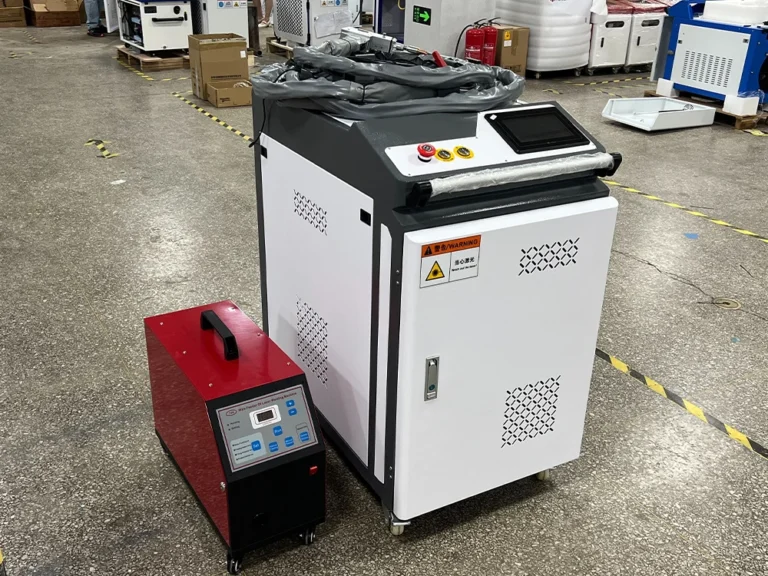
Laser cleaning machines, such as those manufactured by ZLTECH Laser Machine Factory, are increasingly proving their suitability for food industry equipment. This advanced, non-contact cleaning method uses precise laser pulses to vaporize contaminants from surfaces without the use of chemicals or abrasive materials. Key benefits include no chemical residues, minimal environmental impact, reduced water use, and fast turnaround times—critical elements in food processing where hygiene and efficiency are paramount. ZLTECH laser machines are effective for cleaning baking trays, conveyor belts, packaging lines, and more. They ensure compliance with stringent food safety regulations and are equipped with safety features to protect operators. While there are upfront costs and training requirements, the long-term operational and environmental benefits far outweigh these initial challenges. Additionally, ZLTECH’s expertise extends to laser rust removal machines for restoring aged equipment and laser marking machines for traceability in food processing. Altogether, laser cleaning represents a forward-thinking, sustainable solution for maintaining the highest standards of food manufacturing hygiene.
The food industry is an arena where hygiene, efficiency, and the maintenance of equipment are not just best practices—they are absolute requirements. As technology advances, so do the methods for ensuring food safety and equipment longevity. Among the latest innovations is the laser cleaning machine, a tool that is fast gaining traction across sectors for its precision and eco-friendliness. ZLTECH, as a leading Laser Machine Factory, is at the forefront of integrating laser cleaning technology into food industry operations. In this article, we’ll explore whether laser cleaning machines are indeed suitable for food industry equipment, highlighting essential features, benefits, challenges, and industry-specific considerations.
Understanding Laser Cleaning Technology
Laser cleaning works by directing intense pulses of laser light at a surface. The energy from the laser vaporizes contaminants, coatings, or residues, leaving the underlying material clean without causing damage. ZLTECH’s advanced laser machines employ this technique with remarkable precision, making them an attractive option for various industries where traditional cleaning methods fall short.
How Does Laser Cleaning Differ from Traditional Methods?
- Chemical-Free: Unlike chemical solvents, laser cleaning uses no hazardous chemicals, reducing risks of contamination in food environments.
- Minimal Waste: The process generates negligible secondary waste, only vaporized residue, making cleanup easier and safer.
- Selective Cleaning: ZLTECH laser machines can be finely tuned to target contaminants without harming the equipment surface, an essential feature for sensitive stainless steel and other common food-grade materials.
Why the Food Industry Needs Innovative Cleaning
The food processing industry is regulated by stringent hygiene laws, and equipment is in constant contact with organic material, grease, oils, and sometimes stubborn residues like limescale or burnt deposits. If not effectively cleaned, these residues can harbor bacteria, impact food quality, and even result in costly recalls. Therefore, the cleaning method for food industry equipment must be:
undefined
- Thorough and reliable
- Safe for food contact surfaces
- Efficient to minimize downtime
- Environmentally friendly
Advantages of Using a Laser Cleaning Machine for Food Equipment
ZLTECH’s laser cleaning machine brings several advantages to the food industry, distinguishing it from traditional cleaning methods such as abrasive blasting, chemicals, or high-pressure water jets.

tube laser cutting machine
laser marking machine
sheet fiber laser cutting machine
handheld laser welding machine
handheld laser cleaning machine
laser marking machine
1. Non-Contact, Non-Abrasive Cleaning
Laser cleaning is a non-contact process. This means that delicate or intricately-shaped food equipment can be thoroughly cleaned without the risk of wear and tear, preserving surface smoothness and reducing the risk of micro-scratches where bacteria could hide.
2. No Chemical Residues
Conventional cleaning often requires strong chemicals, which may leave behind residues that are hard to rinse off and could contaminate food products. ZLTECH laser machines eliminate this risk by using pure laser light, leaving no trace behind.
3. Precision and Adaptability
From conveyor belts to mixers, grills to packaging machines, food industry equipment comes in all shapes and sizes. Laser cleaning can be precisely adjusted for different materials and contamination levels, making it ideal for a variety of equipment types.

4. Reduced Water and Waste Consumption
Traditional cleaning methods often require large volumes of water, contributing to high utility costs and wastewater. Laser cleaning is virtually dry, significantly reducing water usage and the resulting environmental impact.
5. Faster Turnaround and Less Downtime
Downtime is costly in food manufacturing. Laser cleaning is fast and can be highly automated, allowing equipment to be returned to service quickly, and minimizing interruptions to production schedules.
Key Applications in the Food Industry
ZLTECH laser cleaning machines are already being successfully deployed across a range of food industry applications. Some of the most common include:
- Cleaning of baking trays and molds: Removal of carbonized residues and burnt-on deposits is made quick and efficient, restoring them to near-new condition.
- Sanitizing conveyor belts: Ensures no microbial growth or contamination without damaging delicate surfaces.
- Surface preparation for packaging lines: Laser cleaning prepares surfaces for high-adhesion labels or protective coatings without introducing solvents or particles.
- Decontaminating processing machinery: Removes fats, oils, and scale from mixers, slicers, and pasteurizers.
Case Study: Laser Cleaning in a Dairy Processing Plant
One of ZLTECH’s recent deployments involved a large dairy processing facility. Here, the laser machine was used to tackle the recurring challenge of milkstone buildup and biofilm on stainless steel tanks. The result? A dramatic reduction in cleaning time, zero chemical residue, and a sanitized environment that met— and exceeded— regulatory requirements.

When introducing new technology to food processing, safety is paramount. Any cleaning process must not only effectively remove contaminants but must also leave equipment safe for direct contact with consumable products.
- No Surface Damage: ZLTECH laser machines are calibrated to clean without marking or altering the surface of food-grade stainless steel and other common materials.
- No Chemical Migration: With no chemicals involved, the risk of residue on equipment is entirely eliminated.
- Compliance with Regulations: Laser cleaning supports compliance with HACCP, FDA, and EU food safety standards.
Worker Safety
Laser machines are equipped with safety interlocks, shields, and remote operation options, protecting workers from direct exposure to the laser beam. ZLTECH provides comprehensive training and guidance on safe operation within food processing environments.
Comparing Laser Cleaning to Other Methods
| Method | Effectiveness | Residue | Environmental Impact | Downtime |
|---|---|---|---|---|
| Chemical Cleaning | High (but risk of chemicals left behind) | Possible | Hazardous Waste | Moderate-High |
| High-Pressure Water | Moderate | None | High Water Use | Moderate |
| Abrasive Blasting | High | Particles | Particulate Waste | High |
| Laser Cleaning | Very High | None | Minimal | Low |
Challenges and Considerations
While the benefits of laser cleaning machines for food industry equipment are substantial, there are also challenges to be considered:
- Upfront Cost: Investment in laser technology can be significant, though offset by long-term savings in labor, chemicals, and downtime.
- Training: Staff must be trained to operate the machines safely and effectively.
- Maintenance: Like all advanced technology, laser machines require periodic maintenance and calibration for optimal performance.
Is Laser Cleaning Suitable for Every Food Application?
Laser cleaning is best suited for hard, non-porous surfaces such as stainless steel, aluminum, and certain plastics. For porous materials or areas where deep cleaning inside microscopic crevices is needed, additional cleaning steps may be necessary. However, for the vast majority of food processing equipment, ZLTECH’s laser machines offer an ideal solution.
Integrating Laser Cleaning into Food Industry Workflows
Adopting laser cleaning is straightforward with ZLTECH’s support. The process typically involves:
- Assessment: Identifying equipment and contamination challenges.
- Machine Selection: Choosing the appropriate ZLTECH laser machine model and power level.
- Installation and Training: Integrating the machine into existing workflows and training operators.
- Ongoing Support: Regular maintenance and performance optimization.
This smooth transition allows food producers to increase throughput, improve quality, and enhance compliance with food safety standards.
Laser Rust Removal Machine in Food Processing
One application where a laser rust removal machine shines is in the refurbishment of aging food processing equipment. Over time, equipment that is not maintained properly can develop surface rust, especially in humid environments or during shutdowns. Laser rust removal provides a non-abrasive, precise means of restoring these surfaces without introducing grit or residues, and ensures the surface is ready for direct food contact once re-certified.
Laser Marking Machine for Traceability
Another keyword that finds relevance is the laser marking machine. In addition to cleaning, ZLTECH also manufactures laser marking machines, which are increasingly employed for traceability in the food industry—marking batch codes, expiry dates, and other essential information directly onto packaging or equipment. This ensures traceability and compliance with regulatory demands, and enhances food safety throughout the supply chain.
Future Developments and Innovations
The future of laser cleaning in the food industry is bright. Ongoing research is making machines even more precise, faster, and suitable for a greater range of materials and applications. Automated and robotic laser cleaning systems are also on the horizon, allowing for seamless, 24/7 integration into production lines, reducing labor costs and enhancing consistency.
Environmental Benefits
With increasing pressure on food manufacturers to minimize their environmental footprint, the adoption of chemical-free, low-waste technologies like laser cleaning is a significant step forward. ZLTECH is committed to the continued development of green manufacturing solutions that meet the needs of today’s food industry while preserving resources for the future.
Conclusion: Making the Switch to Laser Cleaning
For food industry equipment, the need for effective, safe, and sustainable cleaning has never been greater. ZLTECH’s laser cleaning machines stand out as a modern, innovative solution that meets rigorous industry standards while delivering operational efficiencies. With proven applications ranging from baking to dairy, packaging to meat processing, laser cleaning is poised to become the new gold standard for food equipment maintenance.
By choosing ZLTECH Laser Machine Factory as your technology partner, you not only ensure the cleanliness and safety of your food processing environment, but also gain a competitive edge through reduced costs, faster turnaround, and eco-friendly operations. As laser technology continues to evolve, its suitability and versatility for the food industry will only increase, making now the ideal time to make the switch.
Contact ZLTECH for More Information
If you are ready to take your food processing hygiene to the next level, or if you have specific questions about integrating a laser cleaning machine into your production line, reach out to ZLTECH—your trusted Laser Machine Factory and technology partner in the clean future of food.