
Is a Laser Cleaning Machine the Best Solution for Power Plant Maintenance?
Power plants are the backbone of modern civilization, supplying the electricity that powers our homes, industries, and cities. However, the harsh and demanding environments in which these facilities operate mean that equipment is constantly exposed to contaminants such as rust, oil, scale, and other forms of residue. Effective maintenance is crucial for ensuring efficiency, safety, and longevity. In recent years, laser cleaning technology has emerged as a cutting-edge solution to these challenges. In this article, ZLTECH, a leading Laser Machine Factory, explores whether a Laser Cleaning Machine is the best solution for power plant maintenance.
The Challenges of Power Plant Maintenance
Power plants, whether fueled by coal, gas, nuclear, or renewables, face constant maintenance challenges. Components such as turbines, boilers, heat exchangers, and pipelines are prone to fouling, corrosion, and scaling. Traditional cleaning methods—such as sandblasting, chemical cleaning, or manual abrasion—are often labor-intensive, time-consuming, and potentially hazardous to both workers and the environment.
These conventional methods also risk damaging sensitive equipment, leading to increased downtime and operational costs. In a sector where efficiency and reliability are paramount, the search for a more effective and less invasive cleaning solution has become a priority.
Laser Cleaning Machine: The Modern Solution
A Laser Cleaning Machine is a high-tech device that uses focused laser beams to remove contaminants from surfaces without physical contact or abrasive action. This technology is rapidly gaining traction in industrial maintenance, especially in environments like power plants where precision and safety are vital.

At ZLTECH, our state-of-the-art Laser Cleaning Machines are engineered to deliver powerful cleaning action while preserving the integrity of the underlying material. The process works by directing a laser beam onto the contaminated surface, where it interacts with the unwanted layer, vaporizing or detaching it without harming the substrate.
Key Advantages of Laser Cleaning Machines
- Non-Destructive: Unlike abrasive methods, laser cleaning does not wear down or damage the base material.
- Eco-Friendly: No chemicals or secondary waste are produced, minimizing environmental impact.
- Precision: Laser parameters can be finely tuned for different surfaces and contaminants.
- Safety: Reduces exposure to hazardous substances for maintenance personnel.
- Efficiency: Faster cleaning cycles and minimal setup reduce downtime.
Portable Laser Cleaning Machine: Flexibility for On-Site Maintenance
One of the most significant innovations in laser cleaning technology is the development of the Portable Laser Cleaning Machine. At ZLTECH, our portable models are designed for maximum flexibility, allowing maintenance teams to bring the power of laser cleaning directly to the equipment in need, even in hard-to-reach areas of the plant.
With features such as lightweight design, user-friendly controls, and robust safety systems, the Portable Laser Cleaning Machine is ideal for on-site applications. It enables quick response to maintenance needs, minimizing the need to disassemble or transport large components, thus reducing downtime and labor costs.
Applications in Power Plants
- Removal of rust, scale, and paint from metal surfaces
- Cleaning of turbine blades, boiler tubes, and heat exchangers
- Restoration of electrical contacts and connectors
- Preparation of surfaces for inspection or coating
- Decontamination of radioactive or hazardous residues (in nuclear plants)
Comparing Laser Cleaning with Traditional Methods
| Cleaning Method | Advantages | Disadvantages |
|---|---|---|
| Laser Cleaning Machine |
|
|
| Sandblasting |
|
|
| Chemical Cleaning |
|
|
Why Choose ZLTECH Laser Machine Factory?
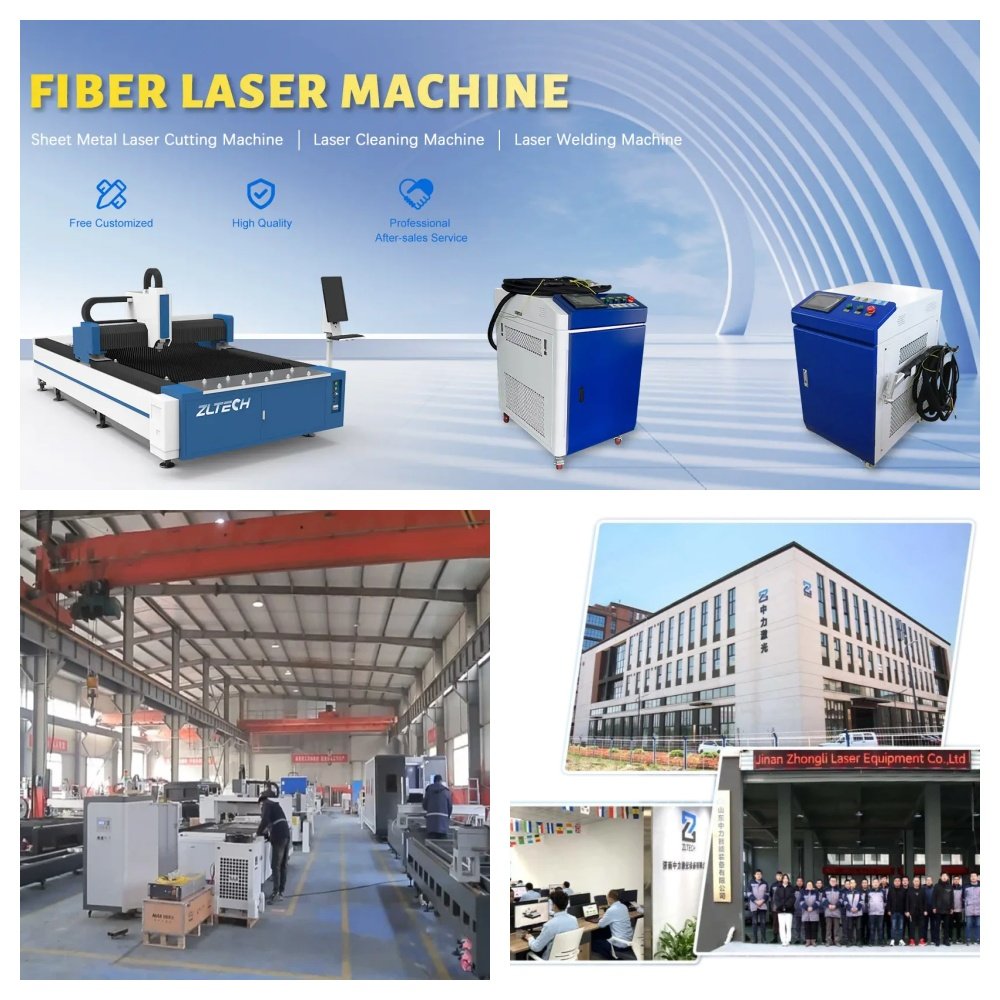
As a pioneer in laser technology, ZLTECH offers a comprehensive range of Laser Cleaning Machines tailored for industrial applications. Our factory is equipped with advanced R&D, manufacturing, and quality control facilities to ensure each machine delivers consistent performance and reliability.
We understand the unique demands of power plant maintenance, and our products are designed with features such as customizable power levels, automated operation, and integrated safety protocols. Whether you need a stationary unit for large-scale cleaning or a Portable Laser Cleaning Machine for on-site interventions, ZLTECH has a solution to fit your needs.
Customer Support and Training
Purchasing a Laser Cleaning Machine from ZLTECH comes with comprehensive after-sales support, including technical training for your staff, maintenance services, and rapid response to any operational issues. Our commitment is to help you maximize uptime, safety, and return on investment.
Cost Considerations and ROI
While the upfront cost of a Laser Cleaning Machine may be higher than traditional methods, the long-term savings are substantial. By reducing downtime, minimizing damage to equipment, and eliminating the need for consumables like abrasives or chemicals, laser cleaning offers a compelling return on investment.
Moreover, the environmental benefits—such as reduced waste and lower emissions—can help power plants meet regulatory requirements and sustainability goals.
Conclusion: The Future of Power Plant Maintenance
In the demanding world of power plant maintenance, the advantages of laser cleaning technology are clear. Whether using a stationary system or a Portable Laser Cleaning Machine, facilities can achieve safer, faster, and more effective cleaning with minimal environmental impact. As a trusted Laser Machine Factory, ZLTECH is proud to be at the forefront of this technological revolution, providing solutions that empower power plants to operate at their best.
If you are considering upgrading your maintenance arsenal, a Laser Cleaning Machine from ZLTECH could be the best investment for your facility’s future. Contact us today to learn more about our products and how they can transform your maintenance operations.