
In the realm of metalworking, technological advancements have continuously redefined the landscape, driving efficiency, precision, and creativity to unprecedented heights. Among these innovations, laser machine for metal have emerged as a game-changer, offering a multitude of benefits that have transformed industries from automotive to aerospace, electronics to jewelry. This blog post delves into the intricacies of laser machine for metal, exploring their operational principles, key advantages, and the transformative impact they have had on modern manufacturing processes.
The Heart of the Operation: How Laser Machine Work
At its core, a laser machine for metal utilizes a focused beam of intense light energy to perform various tasks such as cutting, engraving, welding, and marking. This beam is generated by a laser source, typically a diode, CO2, or fiber laser, and is then directed through a series of mirrors and lenses to achieve the desired precision and power density.
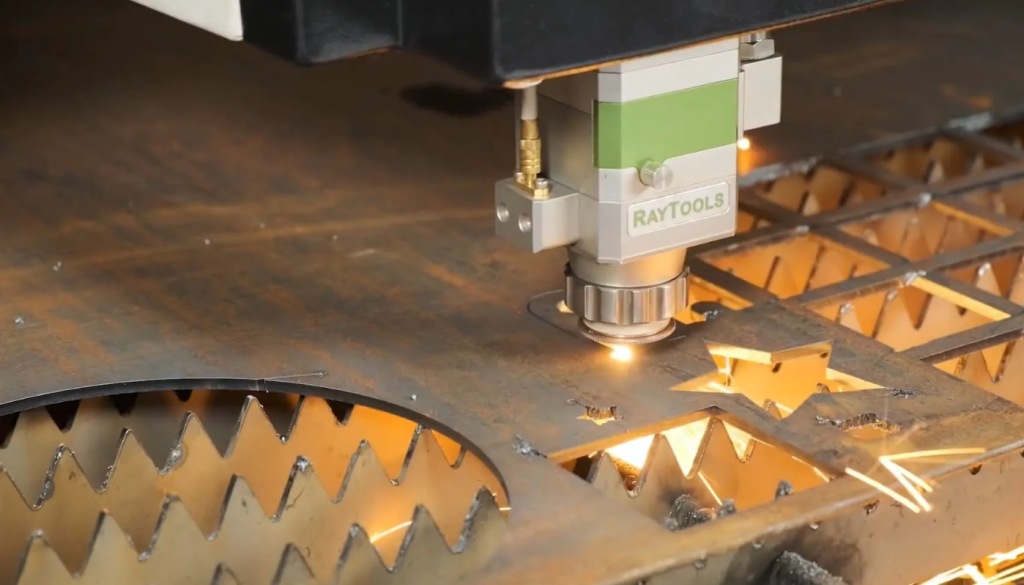
When the laser beam interacts with the metal surface, it causes localized heating to extreme temperatures. Depending on the application, this heat can melt, vaporize, or change the surface properties of the metal. For instance, in laser cutting, the beam melts and vaporizes the material along a programmed path, allowing for clean and precise cuts. In welding, the heat from the laser beam melts the edges of two metal pieces, fusing them together seamlessly.
Precision and Versatility: The Hallmarks of Laser Machines
One of the most significant advantages of laser machine for metal is their unparalleled precision. The beam can be focused to an extremely small spot size, enabling intricate cuts and detailed engravings with minimal kerf width and heat-affected zone. This precision is crucial in industries where accuracy is paramount, such as aerospace and medical device manufacturing.
Versatility is another key strength. Laser machines can process a wide range of metal types, including stainless steel, aluminum, titanium, and brass, without requiring significant adjustments to the equipment. This flexibility allows manufacturers to streamline production lines, reducing downtime and costs associated with tool changes.
Efficiency and Cost-Effectiveness
Efficiency is a cornerstone of modern manufacturing, and laser machine for metal excel in this regard. The non-contact nature of laser processing eliminates wear and tear on tools, significantly extending machine lifespan and reducing maintenance costs. Furthermore, laser operations are often faster than traditional methods, such as mechanical cutting or plasma cutting, leading to shorter lead times and increased productivity.
Energy efficiency is another notable aspect. While the initial investment in a laser machine can be substantial, the operational costs are generally lower due to the high energy efficiency of modern laser systems. This, combined with the reduced need for consumables and the ability to perform multiple tasks with a single piece of equipment, makes laser machines a cost-effective long-term investment.
Environmental Benefits and Safety Considerations
In today’s world, environmental sustainability is a critical consideration. Laser machine for metal contribute positively to this cause by minimizing waste and reducing the use of harmful chemicals. The precision of laser cutting eliminates the need for secondary finishing operations, such as grinding or deburring, which can generate significant amounts of waste.
Safety is another area where laser machine shine. While lasers do pose certain risks, modern machines are equipped with advanced safety features, including enclosed work areas, emergency stop buttons, and beam interlocks. Proper training and adherence to safety protocols further minimize the risk of accidents.
The Future of Metalworking with Lasers
As technology continues to evolve, so do laser machine for metal. Innovations in laser sources, beam control, and automation are pushing the boundaries of what is possible. For example, the development of ultrafast lasers capable of processing materials at unprecedented speeds is paving the way for new applications in advanced materials research and manufacturing.
Moreover, the integration of laser machine with other technologies, such as robotics and artificial intelligence, is creating smart manufacturing systems that optimize processes in real-time, further enhancing efficiency and quality.
In conclusion, laser machine for metal have revolutionized the metalworking industry, offering precision, efficiency, versatility, and environmental benefits that are unmatched by traditional methods. As technology advances, the potential for laser machine to continue driving innovation and transformation in manufacturing is limitless. For businesses seeking to stay ahead in a competitive market, investing in laser technology is not just an option but a necessity for success.